The Magic Moment
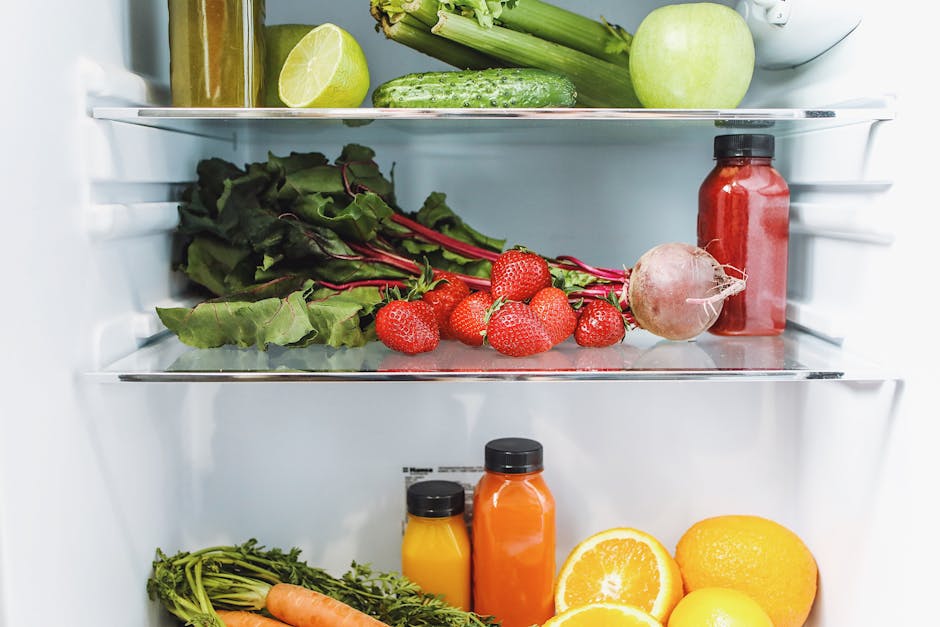
You open your fridge, take a quick photo, and within seconds, an AI has:
- Identified every ingredient
- Calculated quantities
- Suggested five gourmet recipes
- Generated shopping lists for missing items
- Provided nutritional breakdowns
It feels like magic. But it’s actually a sophisticated orchestration of cutting-edge technologies working together. Let’s peek behind the curtain.
The Challenge: Understanding Food
Why Food Recognition is Hard
Teaching AI to recognize ingredients is vastly more complex than, say, identifying cats in photos. Here’s why:
Visual Complexity
- Same ingredient looks different (fresh vs. wilted lettuce)
- Different ingredients look similar (scallions vs. leeks)
- Packaging obscures contents
- Lighting varies dramatically
- Angles and partial visibility
Contextual Requirements
- A tomato could be Roma, cherry, beefsteak, heirloom
- Freshness matters for cooking recommendations
- Quantity affects recipe suggestions
- Containers might hide or distort contents
Cultural Diversity
- 5,000+ commonly used ingredients worldwide
- Regional variations in naming
- Multiple languages
- Different culinary traditions
The Breakthrough
Modern AI solves these challenges through a combination of technologies:
The Technology Stack
1. Computer Vision: Seeing What You See
Convolutional Neural Networks (CNNs)
The AI “sees” your fridge photo through layers of analysis:
Layer 1: Edge Detection
- Identifies boundaries between objects
- Separates items from background
- Detects shelves and containers
Layer 2: Shape Recognition
- Recognizes characteristic shapes (round tomatoes, cylindrical carrots)
- Identifies packaging types
- Understands spatial relationships
Layer 3: Texture Analysis
- Distinguishes smooth from rough surfaces
- Identifies leafy vs. solid items
- Recognizes packaging materials
Layer 4: Color Processing
- Analyzes color patterns
- Adjusts for lighting conditions
- Identifies freshness indicators
Layer 5: Object Classification
- Combines all features
- Matches against trained database
- Generates confidence scores
2. Deep Learning: Training the AI Brain
How the AI Learned to See Food
CookWins’s AI was trained on:
- 10+ million food images from diverse sources
- Multiple angles and lighting conditions for each ingredient
- Various stages of freshness and preparation
- Different cultural presentations and packaging
- User corrections that continuously improve accuracy
The Training Process
- Data Collection: Gather millions of labeled food images
- Annotation: Expert labeling of every ingredient
- Model Architecture: Design neural network structure
- Training Iterations: AI learns through billions of calculations
- Validation: Testing on unseen images
- Refinement: Adjust based on performance
- Deployment: Release to users
- Continuous Learning: Improve from real-world usage
3. Natural Language Processing: Understanding Context
Once ingredients are identified, NLP helps:
Recipe Matching
- Understands which ingredients pair well
- Knows cooking techniques and cuisines
- Recognizes dietary restrictions and preferences
- Suggests appropriate substitutions
Cultural Awareness
- Adapts recipe language to your region
- Understands local ingredient names
- Respects cultural cooking traditions
- Provides appropriate cuisine suggestions
Instruction Generation
- Creates clear, step-by-step directions
- Adjusts language to skill level
- Explains techniques when needed
- Provides timing and temperature guidance
4. Knowledge Graphs: Connecting Culinary Dots
The AI doesn’t just recognize ingredients—it understands relationships:
Ingredient Compatibility
- Classic combinations (tomato + basil + mozzarella)
- Unexpected pairings (chocolate + chili)
- Substitution possibilities (Greek yogurt ↔ sour cream)
- Complementary flavors
Cooking Science
- Proper cooking temperatures
- Time requirements
- Technique selection
- Food safety rules
Nutritional Data
- Macro and micronutrient content
- Allergen information
- Dietary classification
- Health implications
5. Recommendation Algorithms: Personalizing Suggestions
Collaborative Filtering
- “People who liked Recipe A also enjoyed Recipe B”
- Learn from millions of user preferences
- Discover unexpected recipe connections
Content-Based Filtering
- Match to your past ratings
- Consider ingredient preferences
- Adapt to dietary restrictions
- Balance variety and favorites
Contextual Recommendations
- Time of day (breakfast, lunch, dinner)
- Season and weather
- Upcoming holidays
- Recent cooking history
The User Journey: Behind the Scenes
Let’s follow what happens when you take a photo:
Second 1: Image Processing
What You Do: Tap the camera button, take photo What Happens:
- Image uploaded to cloud (or processed on-device)
- Automatic lighting correction
- Orientation detection
- Image quality assessment
Seconds 2-3: Ingredient Detection
What You See: “Analyzing ingredients…” What Happens:
- CNN processes image through layers
- Multiple AI models vote on each item
- Confidence scores calculated
- Boundary boxes drawn around items
Second 4: Quantity Estimation
What You See: Progress indicator What Happens:
- Size estimation using reference objects
- Container volume calculations
- Typical unit conversions
- Remaining quantity assessment
Second 5: Recipe Generation
What You See: “Generating recipes…” What Happens:
- Search 100,000+ recipe database
- Filter by your dietary preferences
- Match ingredient combinations
- Calculate missing ingredients
- Rank by match quality and user preferences
Second 6: Nutritional Analysis
What You See: Recipe cards appearing What Happens:
- Calculate nutritional content
- Check allergen compatibility
- Assess dietary restriction compliance
- Generate health insights
Second 7: Presentation
What You See: Beautiful recipe suggestions with photos What Happens:
- Format for mobile display
- Load recipe images
- Prepare cooking instructions
- Generate shopping lists
Total Time: ~7 seconds for comprehensive analysis
The Accuracy Challenge
Current Performance
CookWins Accuracy Rates:
- Overall: 85%+ correct identification
- Common ingredients: 95%+ (eggs, milk, chicken)
- Produce: 90%+ (fruits, vegetables)
- Packaged goods: 85%+ (may require label reading)
- Complex items: 75%+ (prepared foods, mixed items)
When AI Isn’t Sure
The system handles uncertainty gracefully:
High Confidence (>90%)
- Automatic identification
- No user confirmation needed
- Direct recipe integration
Medium Confidence (70-90%)
- Suggested identification shown
- User can confirm or correct
- System learns from feedback
Low Confidence (<70%)
- Shows possible matches
- User selects correct item
- Or manually adds ingredient
- AI learns for future
Continuous Improvement
Every user interaction improves the system:
- Corrections: When you fix an error, AI learns
- Confirmations: Positive feedback strengthens accuracy
- New items: Expanding recognition capabilities
- Edge cases: Handling unusual scenarios
Result: Accuracy improves monthly across the entire user base.
The Mobile vs. Cloud Debate
Cloud Processing (Current Approach)
Advantages:
- Access to powerful GPUs
- Latest AI models
- Massive recipe databases
- Cross-device syncing
- Continuous updates
Challenges:
- Requires internet connection
- Privacy considerations
- Slight processing delay
On-Device Processing (Emerging)
Advantages:
- Works offline
- Instant processing
- Complete privacy
- No data transmission
Challenges:
- Limited processing power
- Can’t access latest models
- Battery consumption
- Storage requirements
CookWins Approach: Hybrid system
- Core recognition on-device for speed and privacy
- Advanced features in cloud for power and accuracy
- Seamless switching based on connectivity
Privacy and Security
What We See
- Ingredient types and quantities
- Recipe preferences and ratings
- Dietary restrictions
- Cooking frequency
What We Don’t See
- Your actual fridge photos aren’t permanently stored
- Personal information not connected to food data
- Location tracking disabled
- No cross-platform user tracking
How It’s Protected
- End-to-end encryption for data transmission
- Anonymous analytics for AI improvement
- User-controlled deletion of all data
- No third-party sharing of personal information
The Future: What’s Coming Next
Near Term (2025-2026)
Freshness Detection
- AI identifies when produce is spoiling
- Proactive recipe suggestions before waste
- Optimal storage recommendations
3D Understanding
- Better quantity estimation
- Recognize partially visible items
- Understand container contents
Video Recognition
- Scan fridge while opening (no photo needed)
- Real-time suggestions
- Continuous inventory tracking
Medium Term (2026-2028)
Multi-Modal Learning
- Combine visual, text, and voice input
- “Show me something with these tomatoes and pasta”
- Natural conversation about cooking
Taste Prediction
- AI predicts if you’ll like a recipe before cooking
- Based on preference history and flavor profiles
- Reduces cooking disappointments
Smart Kitchen Integration
- Direct communication with smart appliances
- Automated cooking programs
- Perfect timing coordination
Long Term (2028+)
Molecular Gastronomy AI
- Understanding food chemistry
- Novel ingredient combinations
- Scientific recipe innovation
Augmented Reality
- Point phone at fridge, see recipe overlays
- Visual cooking guidance
- Interactive ingredient information
Personalized Nutrition
- Genetic profile integration
- Microbiome optimization
- Precision health recommendations
The Human Element
Despite all this technology, cooking remains deeply human:
AI Assists, You Create
- Technology handles tedious parts (planning, shopping lists)
- You focus on creative aspects (flavors, presentation)
- Cooking remains personal and joyful
Learning Amplified
- AI teaches techniques as you cook
- Builds confidence through success
- Encourages culinary exploration
Community Enhanced
- Share creations with other users
- Discover recipes from around the world
- Learn from collective cooking knowledge
Try It Yourself
Understanding the technology is interesting—experiencing it is transformative.
Download CookWins today and witness the magic:
- Take a photo of your fridge
- Watch AI identify ingredients in seconds
- Get personalized recipe suggestions
- Cook something amazing
The future of cooking is here, and it fits in your pocket.
What ingredient does AI get wrong most often for you? Share your experiences in the comments—your feedback makes the technology better for everyone!